
Choose the Right Concrete and Masonry Sealant for Lasting Protection
The best concrete and masonry sealant depends on what you need to protect or repair:
- Choose a penetrating silane-siloxane sealer for porous brick, CMU, stucco, concrete, or natural stone when you want water repellency without changing the surface look.
- Choose an acrylic sealer for decorative or stamped concrete when a wet-look, satin, or gloss finish matters.
- Choose an epoxy or urethane coating for garage floors and other concrete exposed to traffic, chemicals, or abrasion.
- Choose a flexible polyurethane, hybrid, or silicone sealant for cracks, control joints, and gaps that move with seasonal temperature changes.
For Cook County properties, water is rarely the only concern. Freeze-thaw cycles, deicing salts, aging mortar, and trapped moisture can turn a small opening into spalling concrete, loose brick, or recurring leaks. The right product should adhere to the substrate, handle the expected movement, and allow masonry walls to release moisture vapor where needed.
This buyer’s breakdown compares the best options by material, finish, durability, and repair need, so you can avoid putting a glossy coating on porous brick or a rigid patch into a moving joint.
Understanding Concrete and Masonry Sealant Chemistries
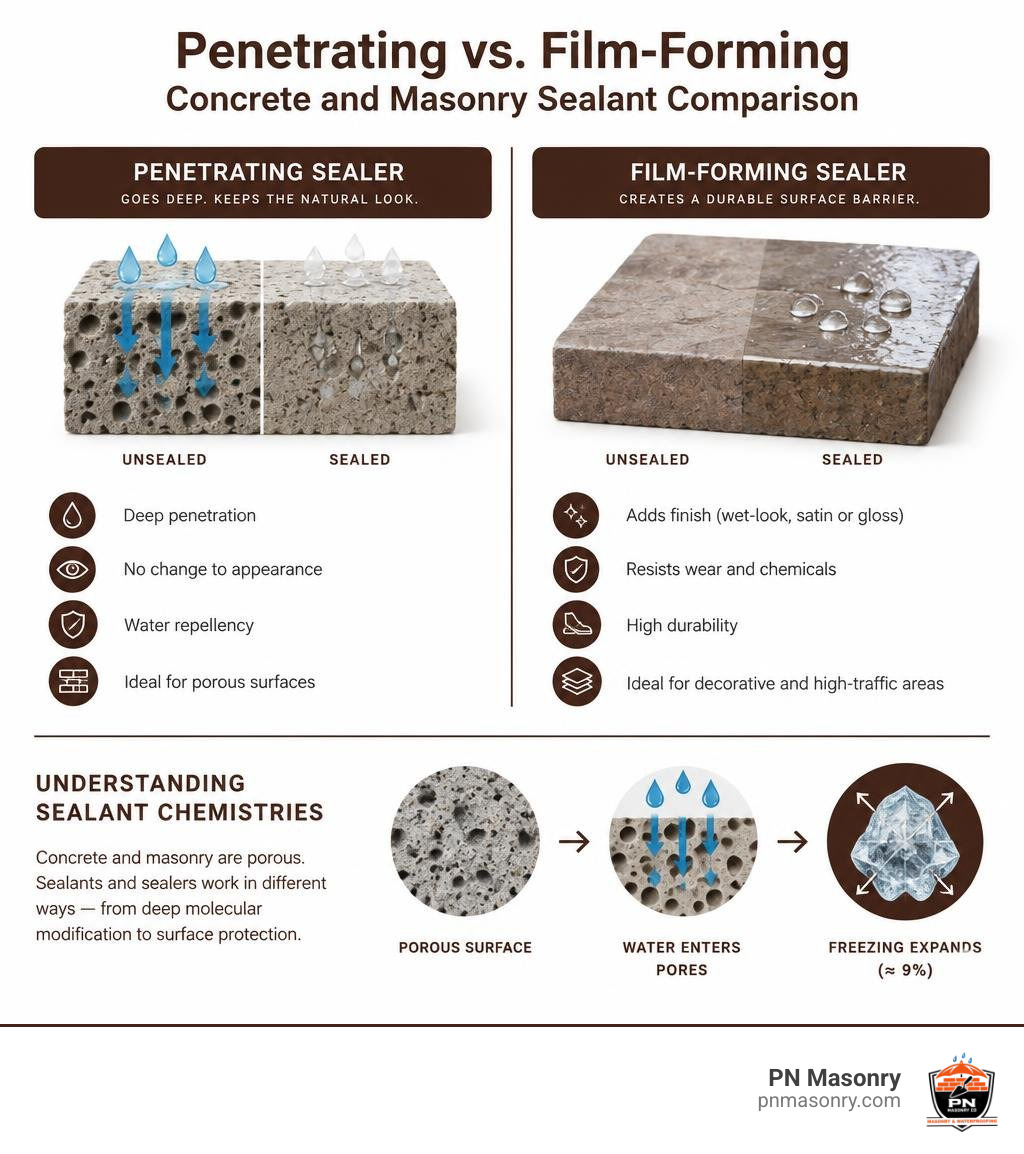
Selecting the proper protective treatment begins with understanding the core chemical formulations available today. Concrete and masonry materials are naturally porous networks of capillaries. When liquid water enters these pores and freezes during severe Midwest winters, it expands by roughly 9%, generating internal hydraulic pressure that leads to surface scaling, spalling, and mortar breakdown.
Sealants and sealers combat this mechanism in distinct ways, ranging from deep molecular modification to heavy-duty surface barrier protection.
| Chemistry Type | Mechanism | Typical Lifespan | Surface Finish | Primary Use Case |
|---|---|---|---|---|
| Silane-Siloxane | Deep penetrating; hydrophobic pore lining | 7–10 Years | Natural / Invisible matte | Exterior brick, block, stucco, horizontal concrete |
| Siliconate / Silicate | Internal chemical reaction; pore densification | Permanent to 10+ Years | Natural / Unaltered | Concrete hardening, basement slabs, warehouse floors |
| Pure / Hybrid Acrylic | Topical film-forming | 1–3 Years | Low sheen to high-gloss “wet look” | Stamped concrete, exposed aggregate, decorative patios |
| Epoxy & Urethane | High-build topical barrier membrane | 5–10 Years | High-gloss or satin; clear or pigmented | Garage floors, interior industrial slabs, high-abrasion zones |
| Polyurethane / Hybrid | Flexible elastomeric joint sealant | 5–15 Years | Matte / Textured (Paintable) | Dynamic cracks, masonry control joints, window perimeters |
| Silicone | Ultra-low modulus elastomeric sealant | 10–20+ Years | Smooth or textured (Non-paintable) | High-movement expansion joints, precast panels, dynamic stone joints |
Penetrating vs. Film-Forming Concrete and Masonry Sealant Formulas
The most vital distinction in masonry preservation is between penetrating sealers and film-forming (topical) sealers.
Penetrating sealers—primarily silane-siloxane blends—soak directly into the microscopic pores of concrete, brick, and stone. Rather than sealing the surface closed with a plastic-like skin, they line the internal capillary walls with a hydrophobic silicone structure. This creates a powerful bead effect against wind-driven rain while maintaining 100% moisture vapor permeability (breathability). If water vapor gets behind a brick wall from interior humidity or rising ground dampness, it can safely evaporate outward.
When evaluating these options, choosing the best masonry water repellent depends on matching the active solids content to the porosity of the wall.
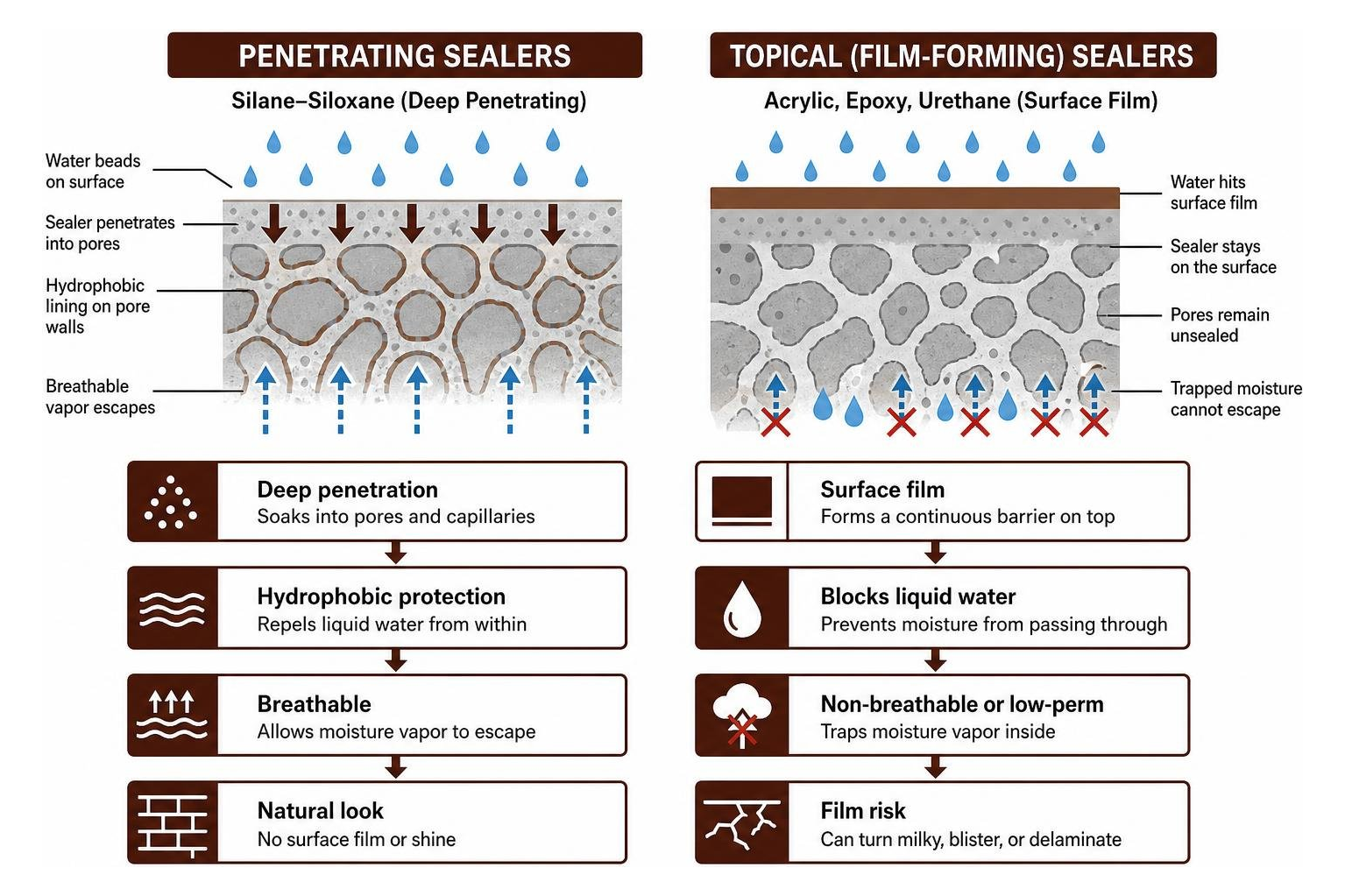
Conversely, film-forming sealers (such as acrylics, epoxies, and urethanes) sit entirely on top of the substrate. They form a continuous topical membrane that blocks moisture, enhances colors, and provides a distinct sheen. However, because they create a non-breathable or low-permeability layer, applying a film-forming acrylic to exterior vertical red clay brick or saturated retaining walls can trap moisture inside. Over time, that trapped vapor causes the coating to turn milky white, blister, and delaminate, often pulling the face of the brick right off with it.
Chemical Classifications: Silane-Siloxane, Acrylic, Silicate, and Epoxies
- Silicates and Siliconates: These are penetrating liquid hardeners. Rather than forming a water-repellent barrier, sodium, potassium, or lithium silicates react with free calcium hydroxide (lime) present in cured concrete. This chemical reaction creates calcium silicate hydrate (CSH)—the exact crystalline substance that gives concrete its compressive strength. Silicates densify concrete from within, permanently reducing dusting and porosity.
- Acrylic Sealers: Acrylics are the workhorses of the decorative concrete world. Formulated as pure acrylics or blended with styrene, they deposit a clear resin layer that deepens color tones and repels oil, grease, and stains. Acrylic curing and sealing compounds like DECRA-SEAL serve a dual purpose on fresh exterior slabs: they slow down moisture loss during concrete hydration to ensure maximum cured strength while simultaneously leaving a non-yellowing, protective gloss film.
- Epoxy and Urethane Systems: Epoxies serve as high-solids, high-adhesion base layers that lock onto mechanically prepared concrete floors. While epoxies offer unmatched chemical and impact resistance, they chalk and degrade when exposed to outdoor UV radiation. As a result, they are paired with an aliphatic polyurethane or polyaspartic topcoat for interior garages, commercial shops, and industrial settings where abrasion resistance is critical.
Top Joint and Crack Sealants for Structural Repairs
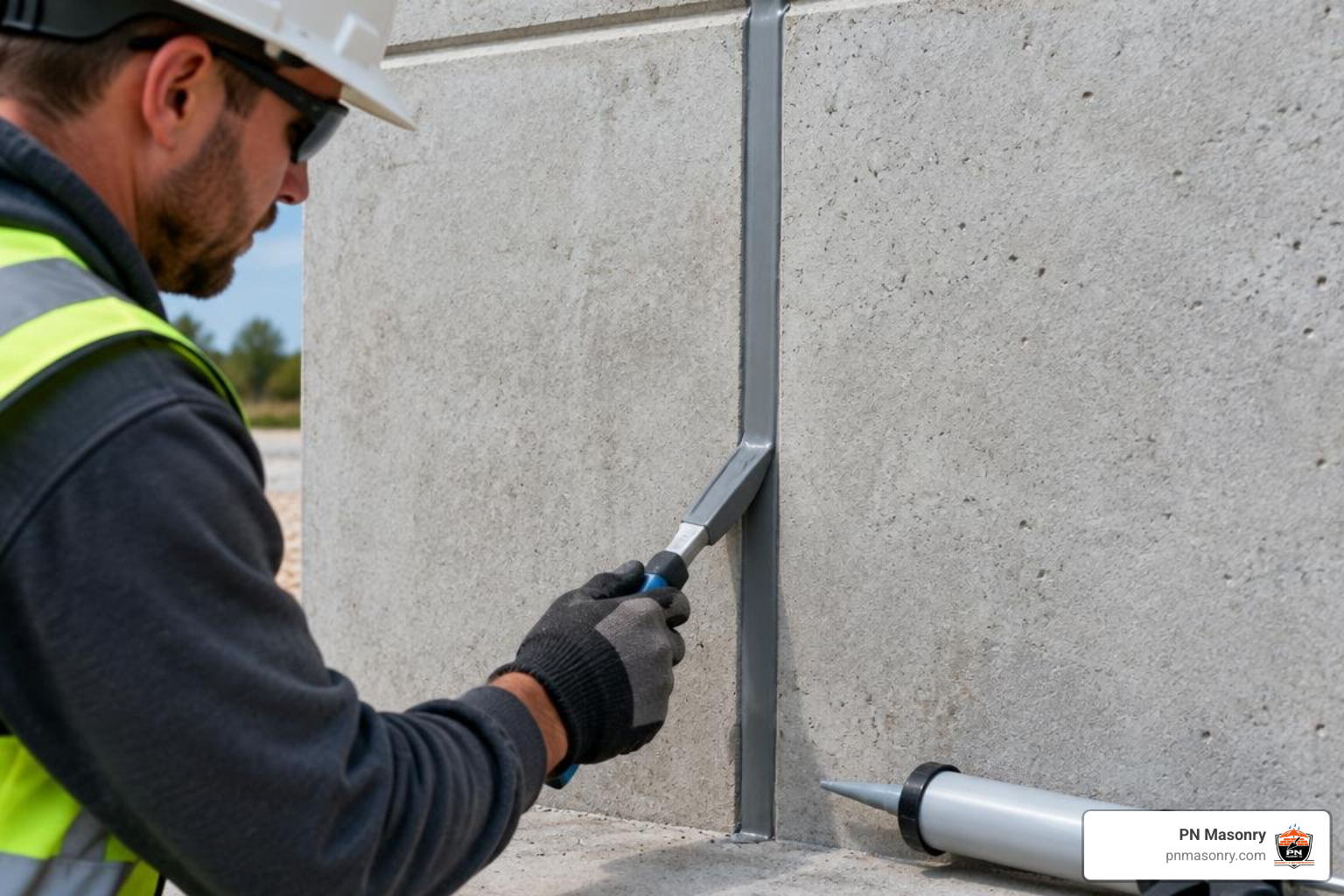
When dealing with active cracks, control joints, or gaps between dissimilar building materials, liquid sealers are not sufficient. Moving joints require gun-grade, elastomeric caulks and sealants engineered to bridge gaps, adhere tenaciously, and stretch without tearing or debonding.
Flexible Polyurethane and Hybrid Sealant Formulations
Polyurethane sealants have long been regarded as the benchmark for durable exterior repairs. Unlike rigid hydraulic cements or standard latex caulks that snap under minor structural shifting, polyurethanes behave like heavy-duty rubber bands. They offer high shear strength, non-sag vertical stability, and exceptional resistance to tear and puncture.
For building facades and parapets, sealing gaps in brick and mortar using elastomeric compounds prevents water from entering the building envelope.
Modern fast-curing elastomeric hybrid sealants, such as DOWSIL™ Contractors Paintable Sealant, provide the primerless adhesion of silicone paired with the paintability of polyurethane. These hybrid formulations feature an elongation capability of 700% to 1000% and can handle joint movement of ±50% while allowing direct topcoating with exterior latex paints as soon as the sealant reaches its tack-free stage (typically under 120 minutes).
High-Movement Silicone Concrete and Masonry Sealant Options
For severe-movement applications, precast concrete panels, and extreme weather exposures, neutral-cure silicone sealants deliver superior performance.
- Ultra-Low-Modulus Formulations: High-performance options such as DOWSIL™ 790 Silicone Building Sealant are engineered specifically for demanding joints. With an ultra-low modulus (Shore A hardness around 15), this sealant accommodates extreme joint movement ranging from +100% extension down to -50% compression without failing in adhesion or tearing internally.
- All-Weather Adhesion: General-purpose exterior grade silicones like DOWSIL™ Contractors Concrete Sealant provide reliable primerless bonding across porous concrete, stone, CMU, and brick. Silicone is completely inorganic, making it virtually immune to UV breakdown, ozone, and extreme temperature swings. That standard silicone sealants cannot be painted; you must select a color-matched formulation during installation.
Choosing the Right Sealant by Substrate and Exposure
Every masonry substrate presents distinct physical properties regarding porosity, suction, and exposure to environmental stressors.
Substrate Requirements: Brick, Stucco, Stone, and Stamped Concrete
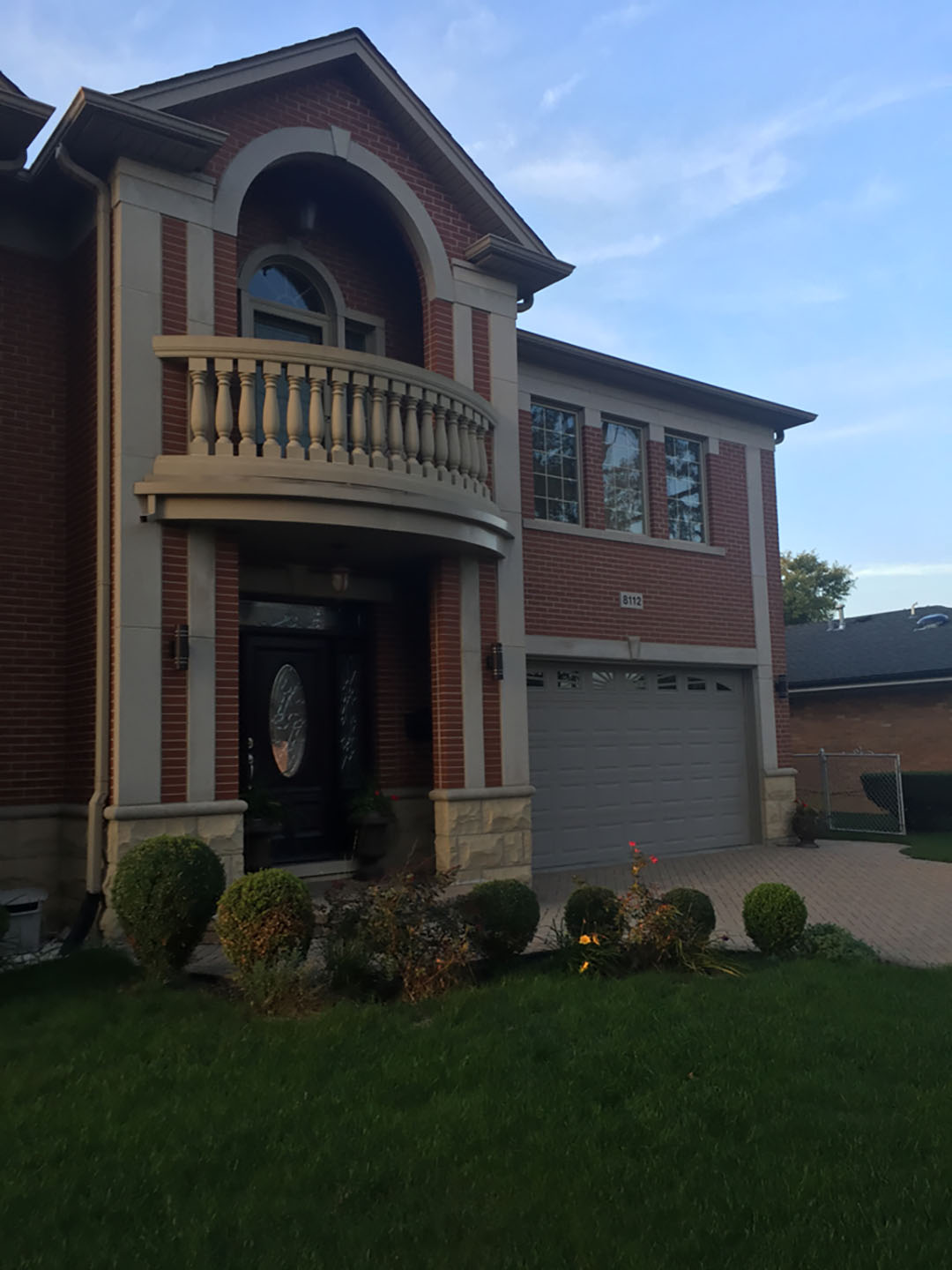
- Exterior Red Clay Brick & Mortar: Clay brick is exceptionally porous and requires unimpeded vapor transmission. Applying topical film-formers will trap moisture behind the face, causing spalling when water freezes. Always protect brick veneers using breathable, deep-penetrating silane-siloxane water repellents. This approach is essential for brick and block sealing and waterproofing on multi-story buildings and homes alike.
- CMU (Concrete Masonry Unit) Block Walls: Commercial cinder block and split-face CMU contain large internal aggregate voids. They are highly susceptible to wind-driven rain penetration. Preventing structural decay requires protecting masonry from hidden water seepage by applying high-solids penetrating silane-siloxanes or elastomeric block fillers on above-grade vertical walls.
- Natural Stone (Flagstone, Bluestone, Slate): Dense natural stones are sensitive to acid rain and mineral discoloration. They should be treated with deep-penetrating water and salt repellents. Avoid topical acrylics on dense flagstone walkways, as moisture rising through the bedding mortar can cause the sealer to cloud and peel.
- Stamped and Colored Concrete: Decorative driveways and pool decks benefit from clear solvent-based or water-based acrylics. These sealers revive faded pigments, accentuate color contrasts, and form a protective barrier against spills, leaf tannins, and surface abrasion.
Water-Based vs. Solvent-Based and VOC Considerations
When selecting a liquid sealer, you must decide between water-based and solvent-based carrier systems:
- Water-Based Formulations: These use water as the carrier for the active silane, siloxane, or acrylic polymers. They feature low odor, contain minimal Volatile Organic Compounds (VOCs—often under 50 g/L), and clean up easily with warm water and soap. They are mandatory for occupied indoor environments, basements, and regions with stringent environmental VOC regulations.
- Solvent-Based Formulations: These utilize aromatic hydrocarbons (such as xylene or acetone) to dissolve the resins. Solvent-based acrylics generally produce a richer color enhancement and a deeper wet look. They are also easier to recoat down the road because the solvent in the new coat lightly melts and bonds with the previous layer. However, they carry strong fumes, require organic vapor respirators during application, are highly flammable, and must comply with EPA and local VOC emission caps.
Specialized water-repellent solutions like CONCRETE & MASONRY WATERPROOFING SEALER provide deep silane-siloxane protection in a low-VOC (33 g/L), water-based emulsion that meets ASTM D2369 standards without harsh fumes.
Surface Preparation and Long-Term Maintenance Best Practices
A sealant or coating is only as good as the surface preparation beneath it. More than 80% of all sealer delamination and joint adhesive failures stem directly from inadequate substrate prep.
Substrate Prep and Resealing Compatibility Rules
Before opening a single container of product, follow these field-tested preparation protocols:
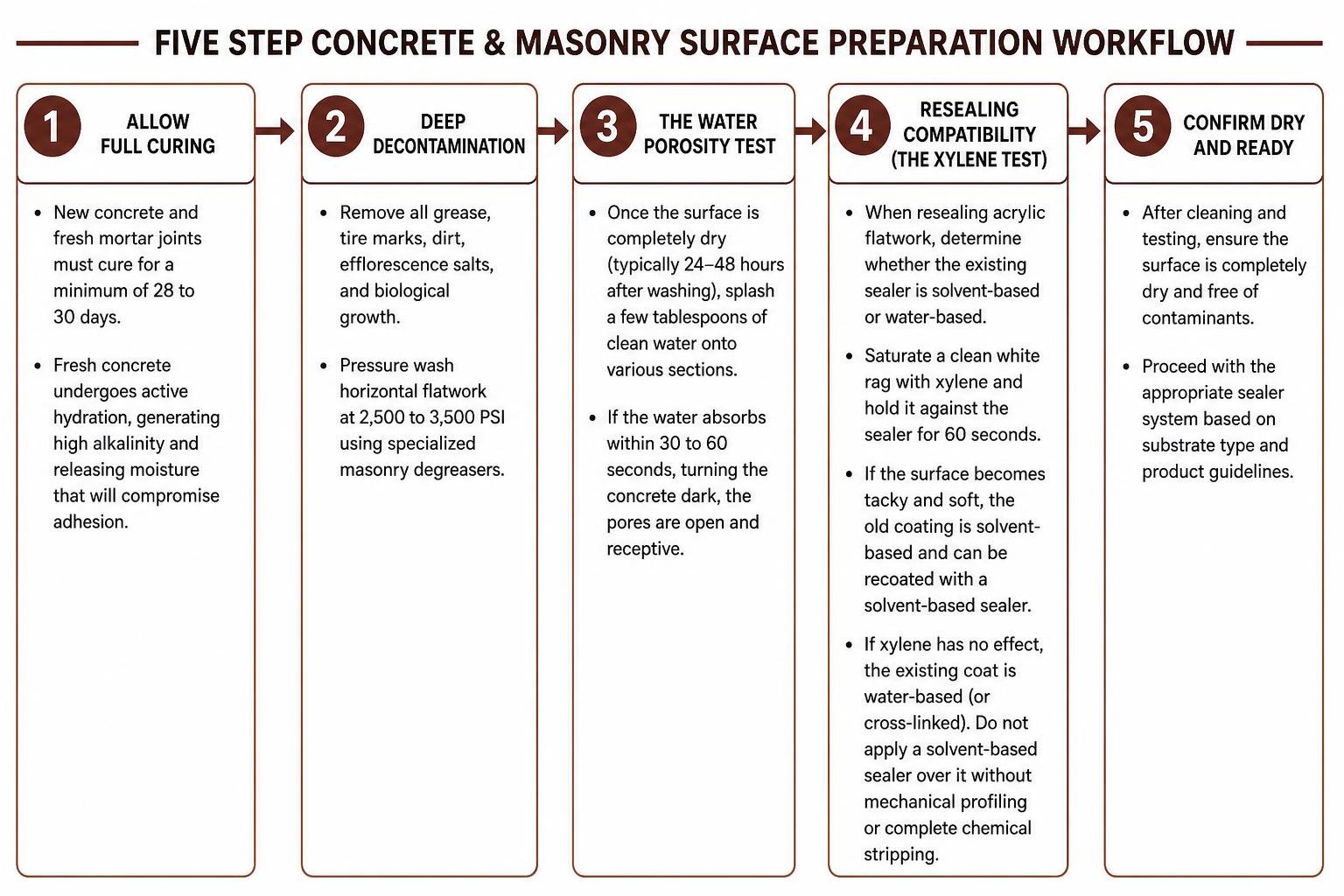
- Allow Full Curing: New concrete and fresh mortar joints must cure for a minimum of 28 to 30 days before applying any penetrating sealer or joint sealant. Fresh concrete undergoes active hydration, generating high alkalinity and releasing moisture that will compromise adhesion.
- Deep Decontamination: Remove all grease, tire marks, dirt, efflorescence salts, and biological growth. Pressure wash horizontal flatwork at 2,500 to 3,500 PSI using specialized masonry degreasers.
- The Water Porosity Test: Once the surface is completely dry (typically 24–48 hours after washing), splash a few tablespoons of clean water onto various sections. If the water beads up, an old sealer, curing wax, or dense glaze is present, and the new sealer cannot penetrate. If the water absorbs into the substrate within 30 to 60 seconds, turning the concrete dark, the pores are open and receptive.
- Resealing Compatibility (The Xylene Test): When resealing acrylic flatwork, determine whether the existing sealer is solvent-based or water-based. Saturate a clean white rag with xylene and hold it against the sealer for 60 seconds. If the surface becomes tacky and soft, the old coating is solvent-based, allowing for a solvent-based recoat. If the xylene has no effect, the existing coat is water-based (or a cross-linked coating), meaning you must not apply a solvent-based sealer over it without mechanical profiling or complete chemical stripping.
When managing large commercial properties or complex residential restorations, hiring professional concrete sealing services guarantees proper mechanical prep, optimal moisture checks, and flawless commercial-grade application.
Lifespan Factors and Reapplication Schedules
How long your masonry protection lasts depends heavily on the chemistry selected and the physical environment:
- Penetrating Silane-Siloxanes: Expect 7 to 10 years of active hydrophobic service life on exterior vertical walls and horizontal slabs. Because there is no topical film to scratch or peel, degradation occurs slowly through surface erosion. Reseal when water splashed on the surface no longer beads.
- Topical Acrylic Sealers: These usually require maintenance reapplication every 1 to 3 years on driveways, walkways, and pool decks. Sun exposure breaks down acrylic polymers, while vehicle traffic and snow plowing physically abrade the film.
- Epoxies and Polyurethanes: Interior concrete coatings will provide 5 to 10 years of service life under standard vehicular and foot traffic before requiring a light mechanical scuff and fresh topcoat.
- Joint Sealants: High-grade polyurethane joint sealants last 5 to 10 years, while low-modulus architectural silicone sealants can easily endure 15 to 20+ years of continuous seasonal expansion and contraction.
Frequently Asked Questions About Concrete and Masonry Protection
What is the difference between a sealer, a waterproofer, and a crack sealant?
While these terms are often used interchangeably, they serve very different mechanical functions:
- A sealer is a broad term for penetrating liquids (like silanes or silicates) or topical coatings (like acrylics) applied across an entire surface to reduce porosity, resist staining, or impart a decorative sheen.
- A waterproofer is a high-performance barrier—either a high-concentration penetrating water repellent or a thick elastomeric membrane (such as basement foundation coatings)—engineered specifically to withstand hydrostatic head pressure or prevent liquid water intrusion entirely.
- A crack sealant is a high-viscosity, gun-grade elastomeric paste (polyurethane, hybrid, or silicone) formulated to bridge dynamic gaps, cracks, and expansion joints, flexing as the structural components move.
How do I know if an old sealer is compatible with a new coat?
Never apply a new sealer blindly over an unknown existing layer. Perform the xylene wipe test to see if the old coating dissolves (indicating solvent-based acrylic). If the surface does not soften, test for a water-based product by applying a small test patch of your intended sealer in an inconspicuous corner. Allow it to cure for 7 days, then perform an adhesion tape test (or cross-hatch scratch test). If the new film flakes, wrinkles, or peels off easily, the entire existing coat must be removed using a chemical stripper or diamond grinding before resealing.
How long does concrete need to cure before applying a sealer or sealant?
Standard concrete requires 30 days of curing under normal ambient conditions (above 50°F / 10°C) before applying penetrating water repellents, epoxies, or joint caulks. Applying products too early traps excess bleed water, weakens the concrete’s hydration matrix, and leads to chemical blistering or adhesive failure. The only exception is an ASTM C309/C1315-compliant acrylic curing compound, which is specifically formulated to be sprayed onto fresh concrete immediately after final finishing to regulate moisture evaporation.
Conclusion
Protecting your concrete, brick, and stone installations against water damage, freeze-thaw spalling, and structural movement comes down to matching the right chemistry to the job. Penetrating silane-siloxanes safeguard vertical masonry without trapping moisture; topical acrylics enhance and protect decorative concrete slabs; and elastomeric silicones and hybrids keep moving joints watertight for decades.
Whether you are restoring a residential brick chimney, weatherproofing a commercial CMU warehouse, or resealing a decorative patio, our team at PN Masonry provides complete tuckpointing, repair, and sealing solutions across Cook County, Illinois. Contact us today to schedule an on-site structural evaluation and protect your property with professional-grade masonry solutions built to last.